
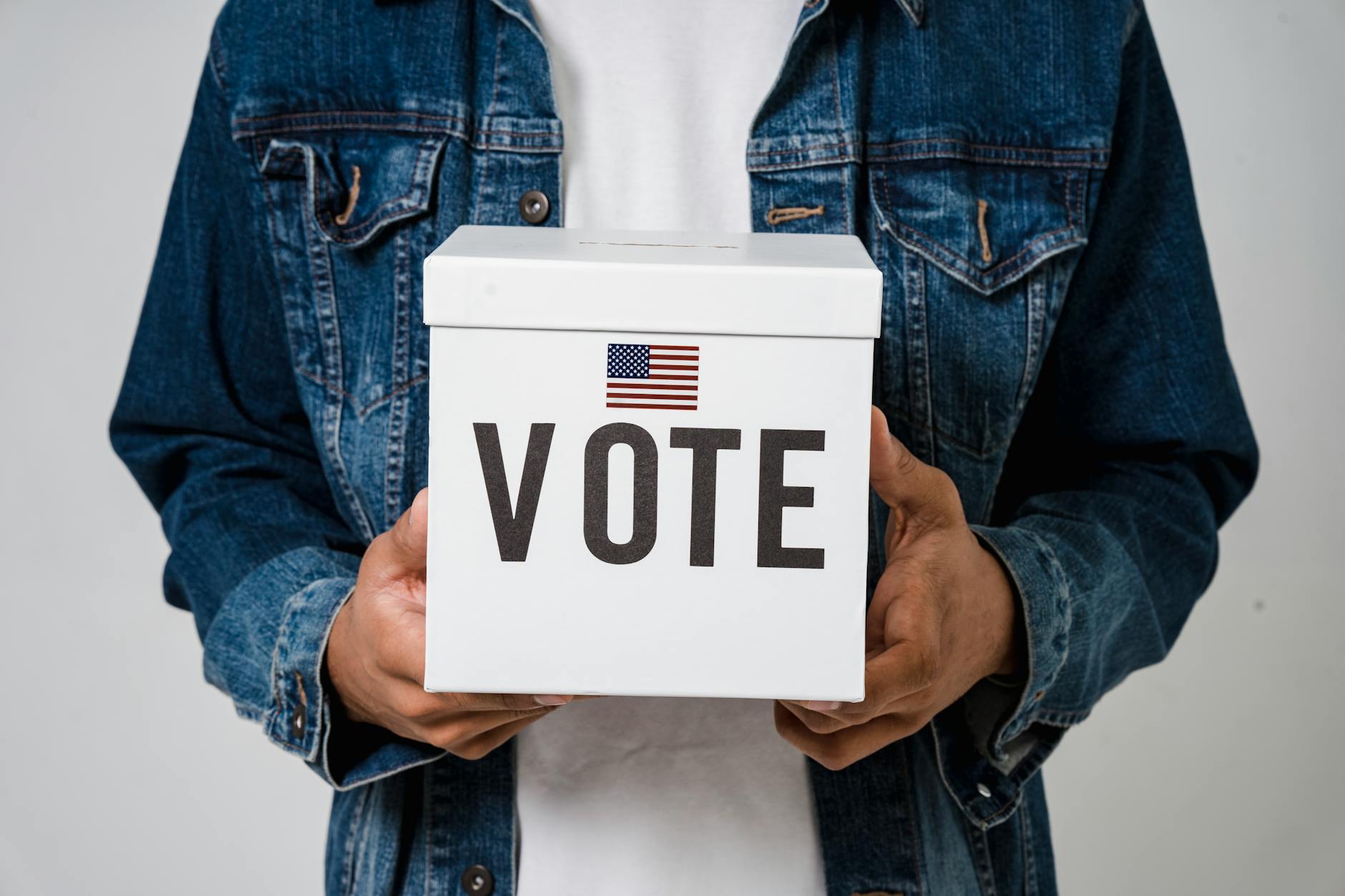
Tackling declining voter turnout is a crucial issue in many democratic societies, and Sheffield is no exception. The recent low turnout in Sheffield Ward has sparked a sense of urgency among community leaders to boost voter engagement. With the upcoming local elections approaching, it is imperative to address this challenge and encourage greater participation in the democratic process. This article delves into the importance of voter engagement, the reasons behind low turnout, and strategies to increase voter participation in Sheffield Ward.
Understanding Voter Engagement
Voter engagement refers to the level of participation and involvement of citizens in electoral processes. It is a fundamental component of a healthy democracy as it ensures that diverse voices are represented and heard. When voter engagement is low, the legitimacy of election outcomes may be called into question, and the interests of the community may not be adequately represented. Therefore, improving voter engagement is critical to strengthening democracy at the local level.
Factors Contributing to Low Turnout
Several factors can contribute to low voter turnout in Sheffield Ward. One common reason is voter apathy or a lack of interest in local politics. Many residents may feel disconnected from the decision-making processes that affect their daily lives, leading them to disengage from the electoral process. Additionally, barriers such as difficult registration processes, polling station locations, and lack of awareness about candidates and issues can also discourage voter participation.
Strategies to Boost Voter Engagement
To address low turnout and boost voter engagement in Sheffield Ward, community leaders, local authorities, and residents can implement various strategies:
1. Community Outreach Programs: Organizing community outreach programs to educate residents about the importance of local elections, candidates’ platforms, and how to vote can help increase voter engagement.
2. Mobile Voting Units: Introducing mobile voting units in underserved areas can make voting more accessible to residents who face transportation challenges or have difficulty reaching polling stations.
3. Youth Involvement Initiatives: Engaging young people through school-based voter education programs, mock elections, and youth councils can instill a sense of civic duty and encourage early participation in the electoral process.
4. Utilizing Social Media: Leveraging social media platforms to disseminate information about elections, candidates, and voting procedures can reach a wider audience and engage tech-savvy residents.
5. Partnerships with Community Organizations: Collaborating with grassroots organizations, faith-based groups, and nonprofits to promote voter registration drives and host candidate forums can increase voter awareness and participation.
Conclusion
In conclusion, addressing low voter turnout in Sheffield Ward requires a concerted effort from various stakeholders to boost voter engagement. By implementing targeted strategies such as community outreach programs, mobile voting units, youth involvement initiatives, social media campaigns, and partnerships with community organizations, it is possible to increase voter participation and strengthen democracy at the local level. Encouraging residents to exercise their right to vote is essential for ensuring that their voices are heard and their interests are represented in the decision-making processes that shape their community.